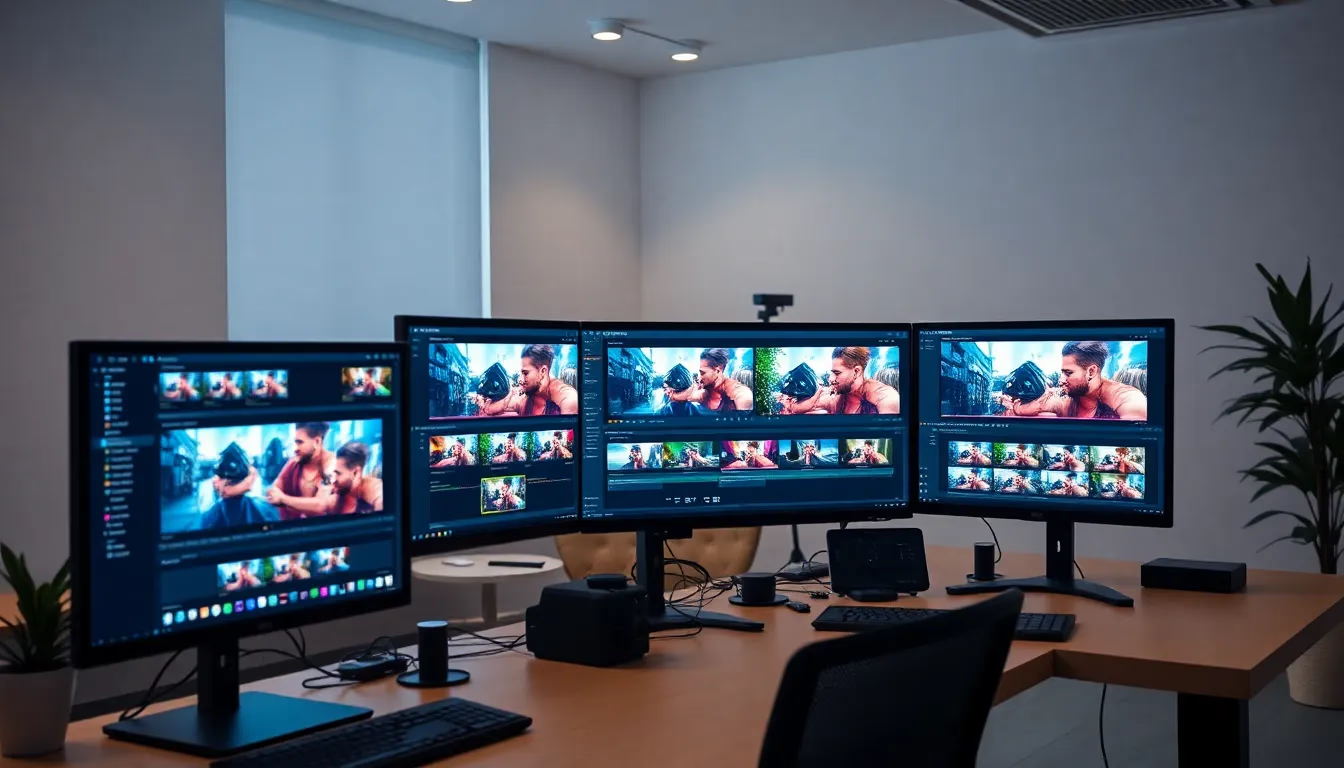
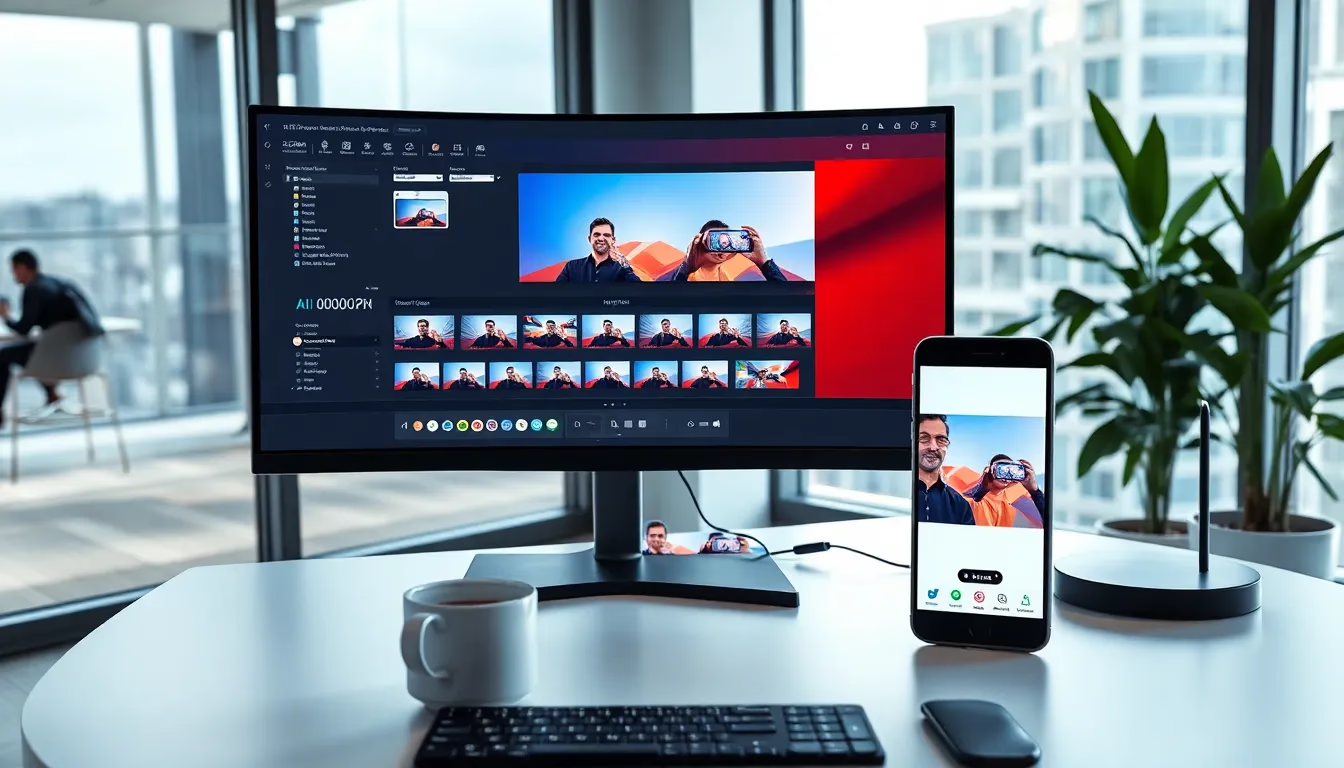

The advertising landscape has shifted permanently. Video content now captures attention in ways that static imagery simply cannot match. Yet until recently, producing quality video ads required substantial budgets, specialized equipment, and weeks of production time. Small businesses watched from the sidelines while larger competitors dominated video advertising channels.
AI video generation has rewritten these rules entirely. Today, businesses of any size can produce professional video advertisements that compete with content from major brands – often at a fraction of the traditional cost and timeline.
Why Video Ads Outperform Every Other Format
The data speaks clearly. Video advertisements consistently outperform static images across every meaningful metric. Click-through rates, engagement time, conversion rates, and brand recall all favor video content. Social platforms actively prioritize video in their algorithms, giving video ads greater organic reach alongside paid placement.
Consumers have trained themselves to scroll past banner ads and static promotions. But movement captures attention. Sound creates emotional connection. Storytelling builds brand affinity. Video delivers all three simultaneously.
The challenge was never about understanding video's effectiveness – marketers have known this for decades. The challenge was accessibility. AI has solved that problem.
How AI Transforms Video Ad Production
From Weeks to Hours
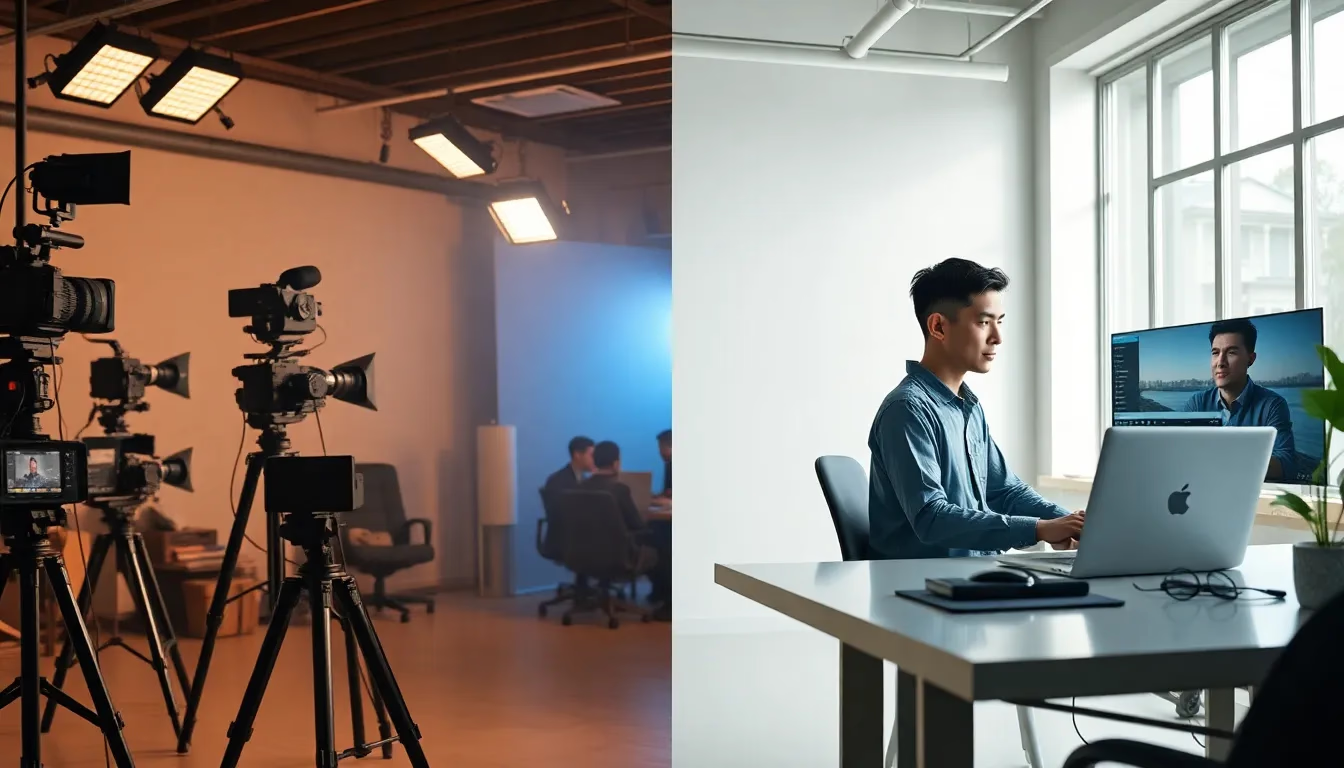
Traditional video production follows a predictable pattern: concept development, scriptwriting, storyboarding, location scouting, talent booking, filming, editing, revision cycles, and final delivery. Each step involves coordination, scheduling, and potential delays. A single 30-second advertisement might require a month from concept to completion.
AI video generation collapses this timeline dramatically. Input your creative direction, provide brand assets, and receive polished video content ready for distribution. The technology handles scene composition, transitions, pacing, and visual effects automatically. What previously demanded a production crew now requires a laptop and clear creative vision.
This speed creates strategic advantages beyond simple efficiency. You can respond to market trends while they're still relevant. Competitor announcements can be answered with counter-messaging within days rather than months. Seasonal campaigns can be adjusted based on real-time performance data.
Cost Efficiency That Changes Strategy
Consider the traditional costs of professional video production: equipment rental, studio fees, talent compensation, production crew wages, editing services, and revision cycles. A single quality advertisement might cost thousands or tens of thousands of dollars. This expense forces marketers to make each video count, limiting experimentation and audience segmentation.
AI generation fundamentally alters this cost structure. Production expenses drop by 70-90% in most cases. This reduction doesn't just save money – it enables entirely different strategic approaches. Instead of creating one expensive advertisement and hoping it resonates, you can produce multiple variations targeting different audience segments, test messaging approaches, and iterate based on performance data.
For a comprehensive overview of how this technology is reshaping marketing approaches, explore our complete guide to transforming your marketing strategy with AI video generation.
Maximizing ROI Through Smart Implementation
Start With Clear Performance Goals
Effective AI video advertising begins with specific objectives. Are you optimizing for brand awareness, direct conversions, lead generation, or engagement? Each goal suggests different creative approaches, platforms, and success metrics.
Brand awareness campaigns benefit from emotional storytelling and memorable visuals. Conversion-focused ads need clear calls to action and benefit-driven messaging. Lead generation requires compelling hooks that justify form completion. Define your primary objective before generating any content.
Leverage Variation Testing at Scale
AI's cost efficiency enables testing approaches that were previously impractical. Create multiple versions of each advertisement with variations in:
- Opening hooks (the first 2-3 seconds that determine whether viewers continue watching)
- Background music and sound design
- Color schemes and visual treatments
- Call-to-action phrasing and placement
- Testimonial integration versus product focus
- Pacing and video length
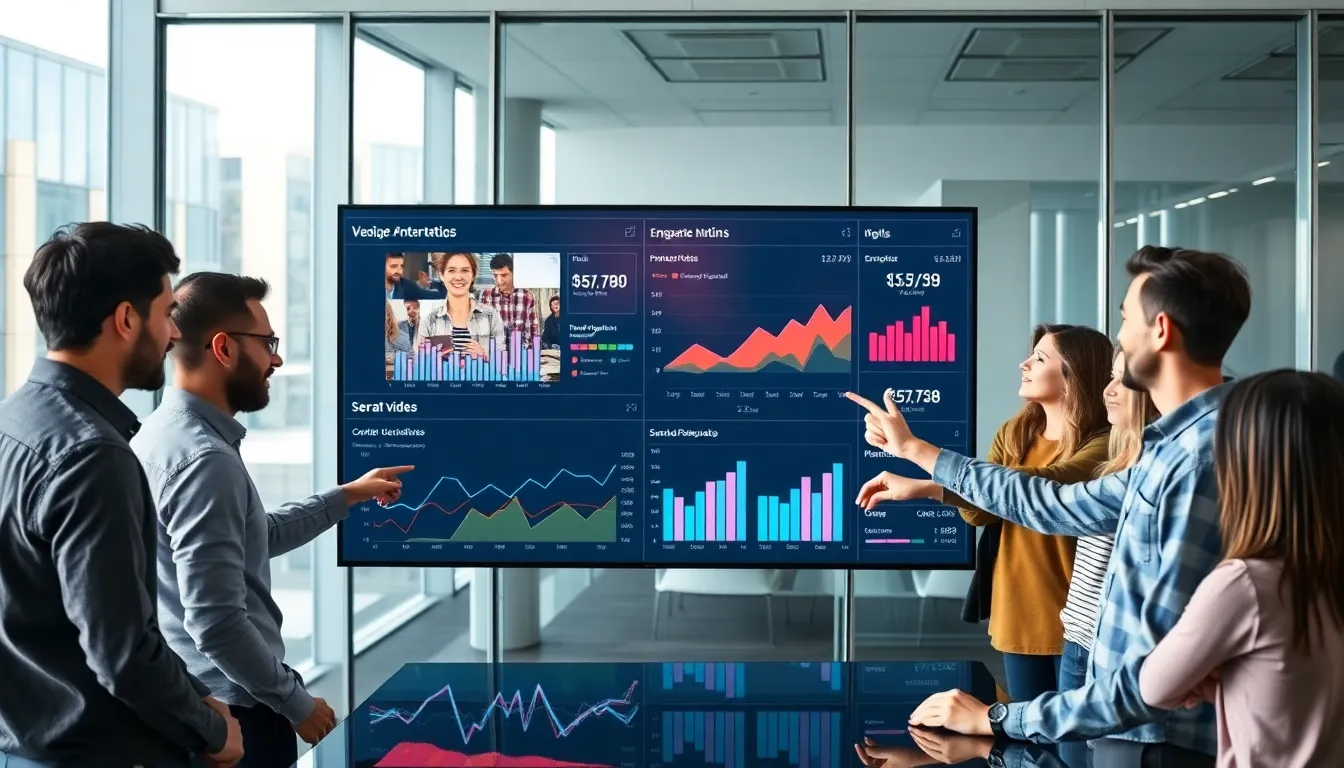
Run these variations simultaneously, measure performance differences, and allocate budget toward winners. This iterative approach consistently outperforms single-creative campaigns.
Platform-Specific Optimization
Each advertising platform has distinct requirements and user behaviors. Instagram Stories demand vertical formats with immediate hooks. YouTube pre-roll needs to deliver value before the skip button activates. TikTok audiences expect native-feeling content that doesn't scream "advertisement." LinkedIn viewers respond to professional, information-dense presentations.
AI generation makes multi-platform optimization practical. Photomize AI and similar tools can produce platform-optimized variations from a single creative concept. Instead of choosing one platform based on budget constraints, you can maintain presence across all relevant channels.
Understanding how smart automation revolutionizes advertising campaigns helps marketers implement these multi-platform strategies effectively.
Building High-Converting Video Ad Creative
The Critical First Three Seconds
Mobile advertising research consistently shows that the first three seconds determine advertisement success. Users decide almost instantly whether to continue watching or scroll past. Your opening must accomplish one of these objectives immediately:
- Pose a question that resonates with viewer pain points
- Display unexpected visual movement that captures attention
- Present a recognizable situation that viewers identify with
- Make a bold claim that demands verification
AI tools excel at generating multiple opening variations quickly. Test different approaches to identify what stops your specific audience's scroll.
Visual Storytelling Without Words
Many video ads play without sound, particularly on social feeds. Effective AI-generated advertisements communicate core messages visually, treating audio as enhancement rather than requirement. Text overlays, expressive imagery, and clear visual progression ensure your message reaches viewers regardless of their audio settings.
This visual-first approach also improves accessibility, reaching hearing-impaired audiences and those in sound-restricted environments like offices or public transit.
Authentic Emotion Over Polished Perfection
Modern consumers have developed sophisticated advertising radar. Overly polished, obviously commercial content often triggers skepticism rather than engagement. AI-generated advertisements that incorporate slight imperfections, natural-feeling moments, and authentic emotional tones frequently outperform studio-perfect alternatives.
This doesn't mean accepting poor quality – it means understanding that relatability often matters more than production value. The most effective AI-generated ads feel human rather than robotic.

Quality Foundations: Starting With Strong Assets
AI video generation works best when provided quality source materials. Your product images, brand assets, and visual references directly influence output quality. Before beginning video generation, ensure your foundational assets meet professional standards.
Understanding how AI image quality enhancement works can help you optimize source materials for better video outputs. Higher-quality inputs consistently produce higher-quality video results.
Measuring Success and Iterating
Key Performance Indicators for Video Ads
Track metrics that align with your campaign objectives:
For awareness campaigns:
- Video view rates and completion percentages
- Brand lift measurements
- Reach and frequency metrics
- Share and save rates
For conversion campaigns:
- Click-through rates
- Cost per acquisition
- Return on ad spend
- Landing page conversion rates from video traffic
The Continuous Improvement Cycle
AI video generation enables rapid iteration that traditional production cannot match. Establish a rhythm of testing, measuring, learning, and improving. Weekly or bi-weekly creative refreshes keep your advertising fresh while continuously optimizing toward better performance.
Document what works for your specific audience and product category. Build a knowledge base of effective hooks, messaging approaches, and visual styles. This institutional learning compounds over time, making each campaign more effective than the last.
Common Mistakes to Avoid
Neglecting Brand Consistency
Ease of generation can tempt marketers toward constant creative reinvention. Maintain visual and messaging consistency across your video advertising. Use consistent color palettes, typography treatments, and brand voice. Viewers should recognize your brand within seconds, regardless of specific campaign content.
Ignoring Platform Context
Content that performs excellently on one platform may fail completely on another. Respect each platform's native style and user expectations. AI makes platform-specific creation practical – use this capability rather than distributing identical content everywhere.
Overlooking the Landing Page Experience
Brilliant video ads that lead to poor landing pages waste advertising budget. Ensure your post-click experience matches the quality and messaging of your video content. AI can help create marketing content quickly, but that content must connect to optimized conversion paths.
For those exploring how to create professional visual assets that support marketing campaigns, our guide on creating professional AI photos for CV and LinkedIn demonstrates AI's broader creative applications.
The Future of AI Video Advertising
AI video generation technology continues advancing rapidly. Current capabilities already exceed what many marketers thought possible just two years ago. Future developments promise even greater personalization, real-time generation, and seamless integration with advertising platforms.
Businesses that develop AI video competencies now position themselves advantageously for this accelerating future. The learning curve exists – better to climb it while competitors hesitate.
Taking Action Today
AI video generation for advertising isn't a future possibility – it's a present reality that leading marketers already leverage. The tools are accessible, the costs are manageable, and the results are measurable.
Start with a single campaign. Define clear objectives. Generate multiple creative variations. Test, measure, and learn. Build from initial experiments toward systematic AI-powered video advertising strategies.
The gap between businesses using AI video generation and those still relying on traditional production methods will only widen. Every day of hesitation extends the distance your competitors gain. The technology is ready. The question is whether you're ready to use it.