
Food photography has always been the silent salesperson of the culinary world. From restaurant menus to social media feeds, compelling food imagery triggers cravings, influences dining decisions, and shapes brand perception. Yet traditional food photography demands specialised expertise – professional photographers who understand food styling, experienced stylists who know the tricks of the trade, precise lighting setups, and extensive post-production work. A single commercial food shoot can cost thousands, placing professional imagery beyond reach for many restaurants and food businesses.
AI food photography is fundamentally changing this equation. Today, small cafés and major food brands alike can create stunning culinary imagery that rivals professional photoshoots, achieving appetite-inducing results without the prohibitive costs and logistical complexity that once defined the industry.
The Food Photography Challenge
Every food business faces the same visual imperative. Consumers make dining decisions based on imagery – studies indicate that 69% of millennials photograph their food before eating, while menu items with professional photos see order rates increase by up to 30%. In the age of Instagram and food delivery apps, visual presentation often matters as much as taste.
Consider the traditional food photography workflow. Hiring an experienced food photographer typically costs £500-2,500 per day, depending on experience and location. Food stylists, who ensure every element looks perfect, command similar rates. Add prop sourcing, background materials, lighting equipment, and post-production editing, and costs escalate rapidly.
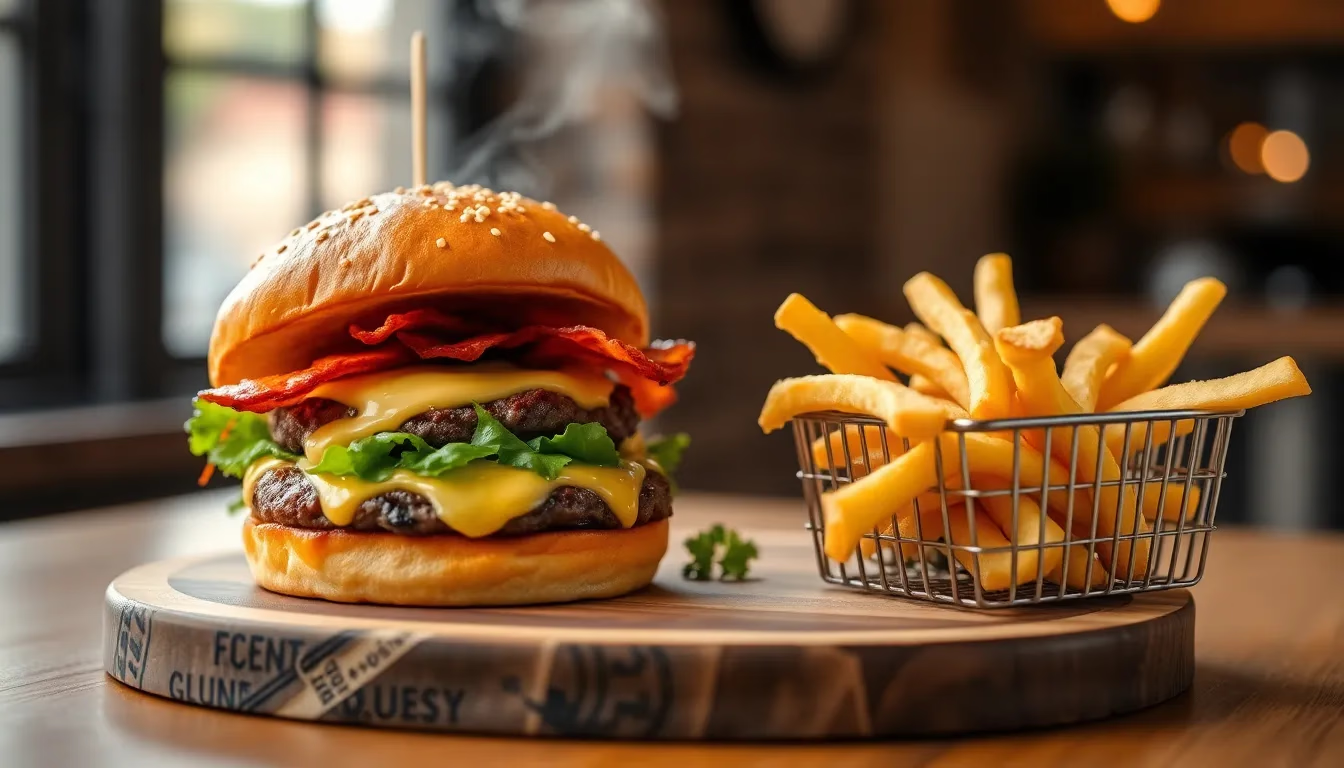
The technical challenges compound expenses further. Food photography operates under brutal time constraints – ice cream melts under studio lights, hot dishes lose their steam within minutes, and leafy greens wilt disappointingly fast. Professional food stylists employ countless tricks: motor oil substituting for maple syrup, mashed potato standing in for ice cream, and cardboard spacers creating the illusion of towering burger layers. These techniques require experience and precision that casual photographers simply lack.
For restaurants updating seasonal menus, food brands launching new products, or content creators maintaining consistent posting schedules, these production demands become overwhelming. Many businesses compromise with smartphone snapshots that fail to capture food's true appeal, creating a visual gap between their actual offerings and marketing imagery.
How AI Transforms Food Photography
Instant Enhancement and Styling
The most immediately accessible AI application involves transforming basic food photos into professionally styled imagery. Upload a simple smartphone capture, and AI algorithms can adjust lighting, enhance colours, add appropriate backgrounds, and apply professional colour grading that makes dishes genuinely appetising.
This capability democratises food photography entirely. A busy restaurant owner photographing daily specials can achieve results approaching professional quality without understanding f-stops, white balance, or complex editing software. The gap between amateur captures and commercial imagery narrows dramatically.
Photomize AI enables this transformation, allowing food businesses to elevate their visual content while maintaining the authenticity that diners expect. Similar principles apply across industries – just as AI product photography has revolutionised e-commerce imagery, AI food photography is transforming culinary marketing.
Scene Generation and Contextual Imagery
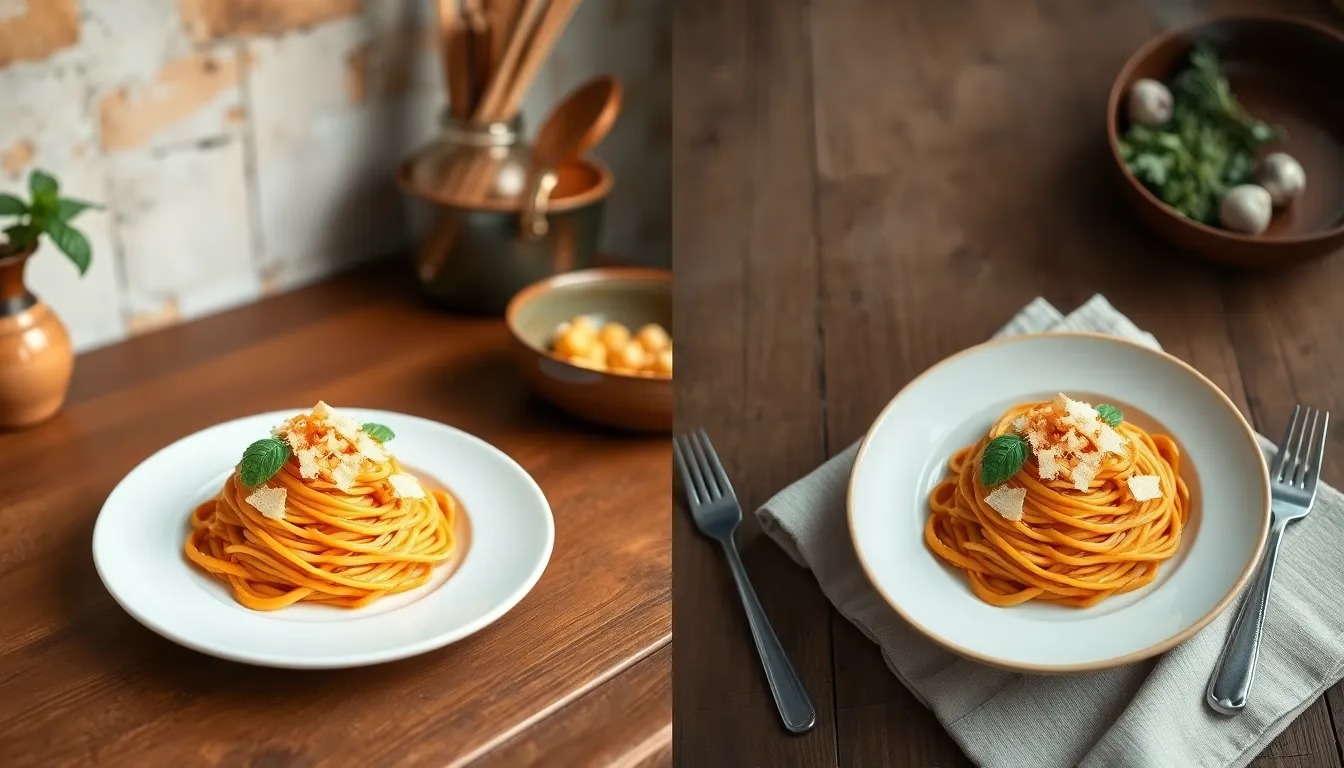
Beyond enhancement, AI systems can generate entirely new contextual elements around your food. A simple dish photograph can be placed within aspirational settings – rustic farmhouse tables, elegant fine dining environments, casual outdoor picnic scenes, or minimalist modern presentations.
This flexibility transforms marketing capabilities. A single product shot can generate dozens of contextual variations for different platforms, audiences, and campaigns. Seasonal adaptations become effortless – the same dish photographed once can appear with summer garden backgrounds in June and cosy candlelit settings in December.
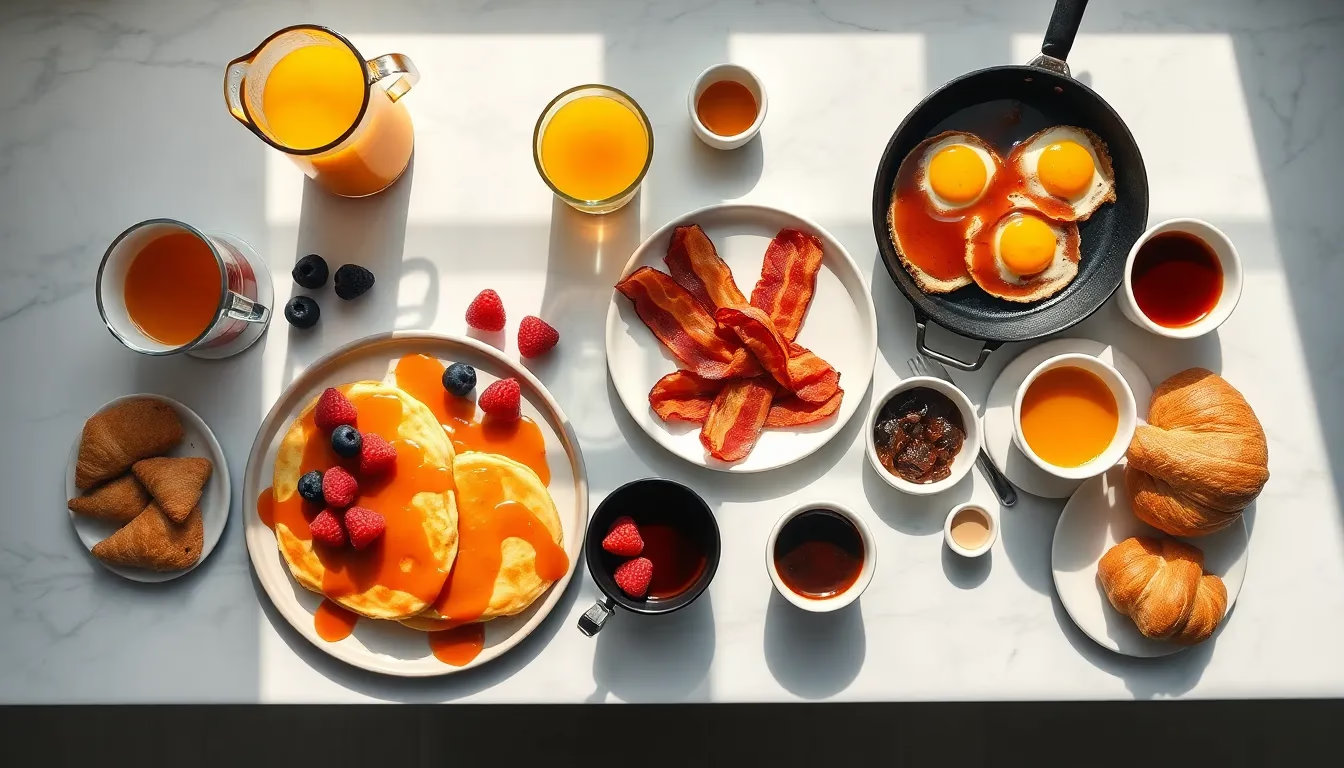
For delivery platforms and online ordering systems, this capability proves particularly valuable. Each menu item can display consistently styled, professionally presented imagery without requiring comprehensive photoshoots whenever offerings change.
Ingredient Visualisation and Menu Creation
Restaurants and food brands frequently need imagery for dishes that don't yet exist or ingredients that aren't currently available. AI generation solves this timing challenge entirely. Describe a new menu concept, and AI can visualise it before any recipe development occurs, enabling marketing teams and culinary teams to align on visual direction early.
This approach accelerates menu development significantly. Chefs can see visual representations of concepts, marketing teams can prepare promotional materials in advance, and business owners can gauge potential customer response before committing production resources.
Practical Applications Across Food Industries
Restaurant Marketing
Restaurants face constant visual demands across multiple platforms. Websites need hero imagery, social media requires regular posting, delivery apps demand consistent product photography, and print materials need high-resolution assets. Traditional photography rarely accommodates this velocity affordably.
AI food photography enables restaurants to maintain visual consistency across every touchpoint. Daily specials can be photographed quickly and enhanced instantly. Seasonal menu changes no longer require expensive reshoot schedules. Social media content can match the quality standards of formal marketing materials.
The approach proves especially valuable for multi-location restaurants needing consistent branding across sites. Rather than coordinating photography across numerous kitchens, brands can establish visual standards that AI enhancement maintains uniformly.
Food Product Packaging and Advertising
Consumer packaged goods companies require extensive imagery for packaging, advertising, and retail displays. Traditional food photography for packaging involves elaborate setups ensuring products appear at their absolute best – arrangements that rarely reflect realistic preparation.
AI generation enables rapid iteration on packaging concepts without repeated photoshoots. Marketing teams can test different presentations, backgrounds, and arrangements digitally before committing to final designs. Campaign variations for different markets or demographics can be produced from single photography sessions.
Food Blogging and Content Creation
Food bloggers and content creators face unique challenges – producing professional imagery while simultaneously cooking, writing, and managing multiple platforms. The time investment required for traditional food photography often limits creative output.
AI tools allow creators to focus on recipe development and writing while still achieving professional visual standards. Basic cooking process shots can be enhanced into polished final imagery. Consistency across hundreds of recipes becomes achievable without maintaining elaborate home studio setups.
Technical Considerations for Optimal Results
Source Image Quality
Whilst AI can dramatically enhance food imagery, starting quality influences final results significantly. Certain fundamentals improve outcomes regardless of AI processing:
Natural lighting remains preferable whenever possible. Position food near windows during daylight hours, avoiding harsh direct sunlight that creates unflattering shadows. Overcast days provide ideal diffused lighting that AI systems can enhance effectively.
Composition basics still matter. The rule of thirds, appropriate negative space, and thoughtful prop placement give AI systems better foundations for enhancement. Cluttered, poorly framed source images limit even sophisticated processing capabilities.
Focus accuracy cannot be fixed algorithmically. Ensure your primary subject – typically the hero dish – appears sharp in original captures. Blurry source material produces blurry results regardless of AI processing.
Prompt Engineering for Generation
When using AI to generate food imagery or backgrounds, prompt specificity dramatically impacts results. Vague descriptions produce generic imagery; detailed prompts yield distinctive results.
Effective food photography prompts include:
- Lighting direction and quality – "soft window light from the left" versus simply "well-lit"
- Styling details – "rustic wooden board with linen napkin and vintage silverware" rather than "nice background"
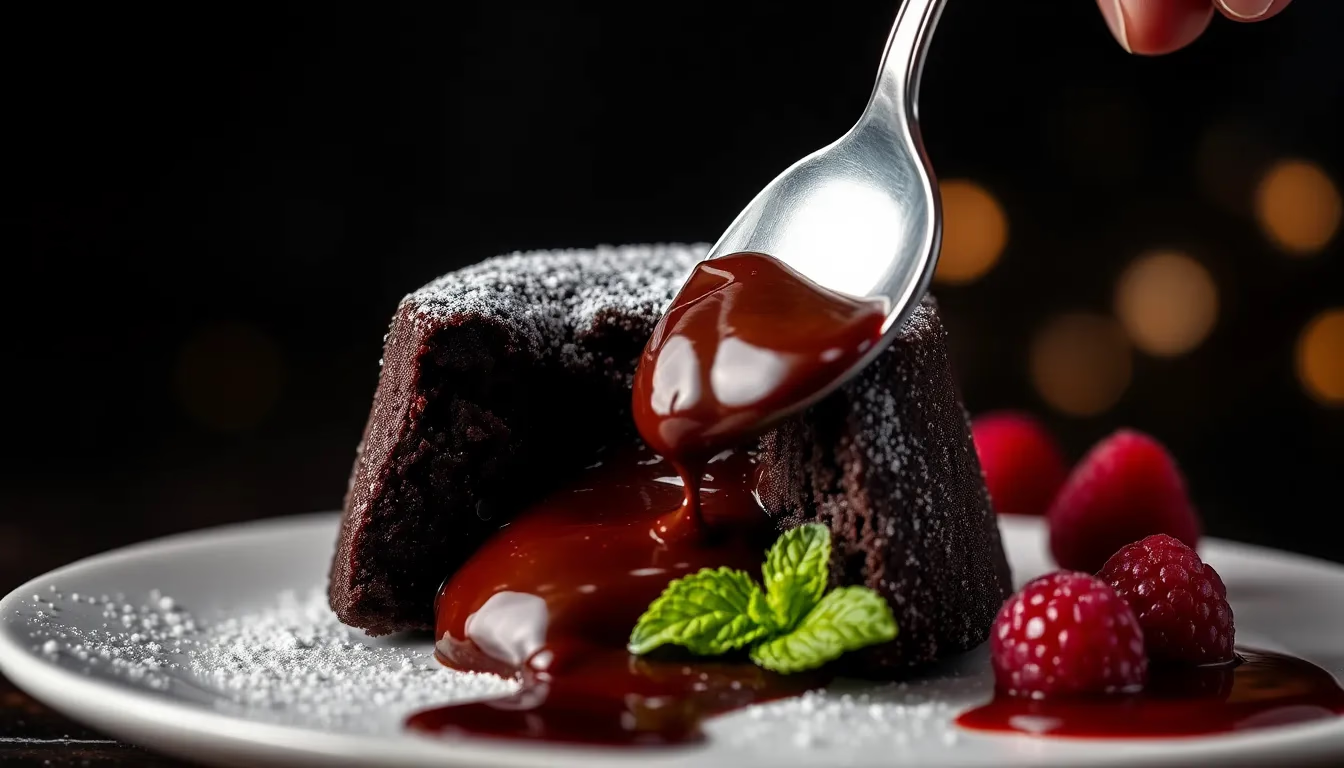
- Food-specific descriptors – "glistening sauce," "visible steam," "caramelised edges," "fresh herb garnish"
- Mood and atmosphere – "cosy morning breakfast scene" versus "elegant dinner presentation"
This attention to prompt detail parallels techniques used in AI fashion photography, where specific styling directions produce dramatically superior results.
Building a Consistent Visual Brand
Style Guide Development
Successful food brands maintain visual consistency that becomes instantly recognisable. AI tools make this consistency achievable without requiring extensive photography expertise.
Develop a visual style guide specifying:
- Colour palettes – warm, cool, or neutral tones
- Background preferences – materials, textures, colours
- Prop styling – cutlery styles, plate choices, napkin treatments
- Lighting mood – bright and airy versus moody and dramatic
Once established, these parameters can be applied consistently across AI-enhanced imagery, building brand recognition through visual coherence.
Platform-Specific Optimisation
Different platforms demand different visual approaches. Instagram favours square or vertical formats with immediate visual impact. Website hero images need horizontal orientations with space for text overlays. Delivery app thumbnails require clear subject visibility at small sizes.
AI generation enables creating platform-optimised variations from single sessions. Rather than shooting specifically for each platform, businesses can generate appropriate crops and compositions algorithmically, maintaining visual quality whilst meeting diverse technical requirements.
Ethical Considerations and Authenticity
Food imagery has always involved some degree of styling and enhancement – this predates AI entirely. However, businesses should consider authenticity expectations carefully.
Customers viewing menu photography reasonably expect actual dishes to resemble images. AI enhancement should improve presentation without creating unrealistic expectations. Enhancing lighting and colour grading differs meaningfully from fabricating ingredients or portions that won't appear on actual plates.
Transparency about AI usage varies by context. Marketing campaigns might employ more dramatic visualisation than menu photography, where accuracy matters directly for customer satisfaction.
Getting Started with AI Food Photography
Beginning the transition requires minimal investment. Start by photographing existing dishes with smartphone cameras, focusing on natural lighting and simple compositions. Upload these captures to Photomize AI to explore enhancement possibilities.
Experiment with different background generations and styling options. Note which approaches align with your brand identity and customer expectations. Build templates and prompt formulations that produce consistent results aligned with your visual standards.
As comfort grows, explore more advanced applications – generating seasonal variations, creating campaign-specific imagery, and developing comprehensive visual libraries that support marketing efforts year-round.
The same transformative potential reshaping AI e-commerce photography is now accessible to food businesses of every size. The visual playing field is levelling, and brands that embrace these capabilities early will establish visual excellence that drives genuine competitive advantage.
Food photography no longer requires professional studios, expensive equipment, or specialised expertise. AI has democratised mouthwatering imagery, making professional-quality food photography accessible to everyone with dishes worth sharing.