

Why Most Storytime Videos Lose Viewers Before the Good Part
You've got a story worth telling. Maybe it's the time you accidentally ended up at the wrong wedding, or how a stranger's random comment changed your career path. The experience lives vividly in your memory, and you're convinced it'll captivate an audience.
But here's the frustrating reality: most storytime videos bleed viewers within the first thirty seconds. People tap away before you've even set the scene, let alone reached the twist that makes the whole thing worthwhile.
The problem usually isn't the story itself – it's how it's being told. Storytime content has exploded across YouTube, TikTok, and Instagram, and audiences have developed sharp instincts for what's worth their time. They can sense a rambling setup or predict a weak payoff almost immediately.
The good news? Keeping viewers hooked isn't about having the most dramatic life experiences. It's about understanding story structure, visual engagement, and the psychological triggers that make people need to know what happens next.
Let's break down exactly how to craft storytime videos that hold attention from your first word to your last.
Start With the Hook, Not the Background
The biggest mistake storytime creators make is starting at the beginning. Chronological order feels natural when you're recounting events, but it's often the slowest way to capture attention.
Consider the difference:
Weak opening: "So this happened last summer when I was visiting my aunt in Florida. She lives in this small town near Tampa, and I hadn't seen her in about three years..."
Strong opening: "I'm standing in a stranger's kitchen at 2 AM, holding a cat that doesn't belong to me, and I can hear sirens getting closer."
The second version drops viewers into the most intriguing moment. They're immediately asking questions: Why is this person in a stranger's house? Whose cat is it? What did they do?
The Promise Technique
Your opening should make a promise. It tells viewers: stick around, and you'll find out how this bizarre situation came to be. This technique works because human brains are wired to seek closure. An unanswered question creates mild psychological tension that keeps people watching.
After your hook, you can circle back to provide context. But by then, viewers are invested. They'll tolerate necessary background information because they're waiting for the payoff you've already teased.

Structure Your Story Like a Rollercoaster
A compelling storytime isn't one long climb to a single peak. It's a series of smaller rises and drops that maintain engagement throughout.
Think of it this way: if your story is five minutes long, viewers shouldn't have to wait until minute four for something interesting to happen. Plant smaller moments of tension, humour, or surprise throughout.
The Beat Sheet Approach
Before recording, map out your story's beats:
- Hook – The attention-grabbing moment or question
- Setup – Essential context (keep it brief)
- Rising action – Things start going wrong or getting interesting
- Complication – An unexpected twist or obstacle
- Climax – The peak moment of tension or revelation
- Resolution – What happened after, and what you learned
Each beat should raise a new question or provide a satisfying answer. When viewers feel momentum, they stay.
If you're creating visuals to accompany your narration, this beat structure also helps you plan what imagery to show at each point. Understanding how AI image generators actually work can help you create supporting visuals that match specific moments in your story, rather than using generic footage throughout.
Show, Don't Just Tell
Storytime videos live or die by their visuals. Even if you're speaking directly to camera, what viewers see matters enormously for retention.
Sitting in the same position with the same expression for seven minutes straight is a retention killer. Your visuals need variety.
Visual Strategies That Work
Change your framing: Zoom in for dramatic moments. Pull back for reflective ones. Simple cropping changes in editing can create the illusion of multiple camera angles from a single recording.
Use b-roll thoughtfully: Footage of locations, objects, or activities mentioned in your story helps viewers visualise what you're describing. If you're talking about a chaotic airport experience, showing airport footage (even stock or AI-generated imagery) keeps eyes engaged.
Leverage on-screen text: Key phrases, names, or timestamps displayed on screen reinforce important details and give viewers something to read during longer explanations.
React to yourself: Many successful storytime creators film reaction shots to cut into their main footage, showing exaggerated responses to their own story beats.
For creators who want professional-looking visuals without extensive filming, platforms like Photomize AI can help generate supporting imagery that matches your narrative. This approach has become increasingly popular for storytime content where filming actual footage isn't practical.
Master the Art of Pacing
Pacing is the invisible force that determines whether viewers feel engaged or restless. Too slow, and they leave. Too fast, and they can't follow.
Vary Your Delivery Speed
Speak faster during action sequences and slower during emotional or reflective moments. This variation mirrors how we naturally tell stories in conversation and signals to viewers when something important is happening.
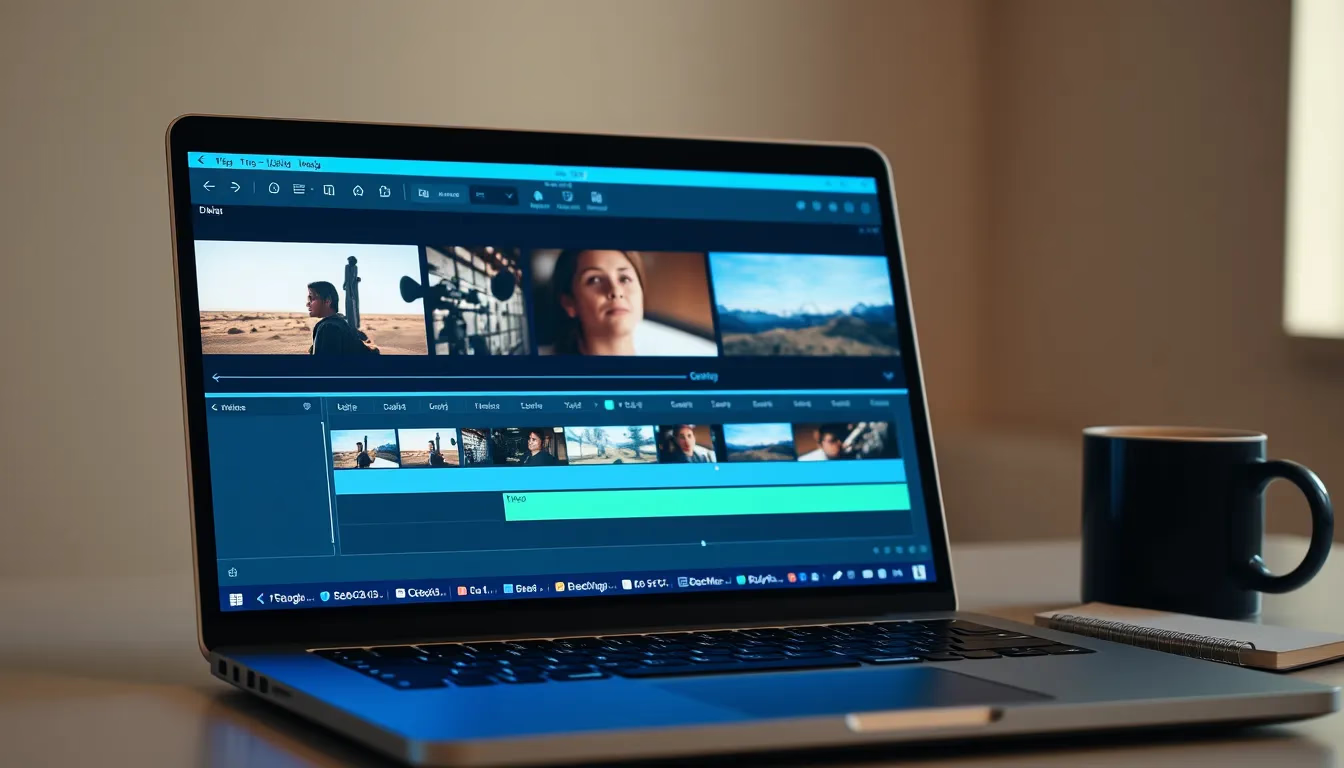
Cut Ruthlessly
In editing, remove every second that doesn't serve the story. Those "um"s, long pauses, and tangential details that felt necessary while recording? Most can go.
Watch your retention analytics if your platform provides them. You'll likely notice specific moments where viewers drop off. These are opportunities to tighten future videos.
The Two-Second Rule
If any single shot or visual stays on screen for more than a few seconds without something changing – your expression, the framing, on-screen text, or a cut to b-roll – viewers' attention may drift. Movement and change keep eyes locked on the screen.
This is why many storytime creators now use AI tools to generate visual variety. If you've been making AI videos that look fake, learning to avoid common pitfalls can help your supplementary visuals blend seamlessly with your narrative.
Build Emotional Investment
Facts keep viewers informed. Emotions keep them watching.
The most memorable storytime videos make audiences feel something – whether that's secondhand embarrassment, suspense, joy, or cathartic relief. To create emotional investment, you need to be vulnerable and specific.
Specificity Creates Believability
Generic descriptions feel flat: "I was really nervous."
Specific details feel real: "My hands were shaking so much I could barely hold my phone, and I kept checking the time even though only thirty seconds had passed."
The more precisely you describe sensations, surroundings, and reactions, the more vividly viewers can place themselves in your experience.
Let Viewers See Your Reactions
Don't just describe how you felt – show it. Your facial expressions while telling the story should reflect the emotions of the moment you're recounting. If you're describing something terrifying, your face should show that remembered fear. If it's hilarious in retrospect, let yourself laugh.
This emotional mirroring is contagious. Viewers often feel what they see the storyteller feeling.
Nail the Ending
A strong ending does two things: it provides satisfying closure, and it leaves viewers with something to carry away.
Avoid the Fizzle
The worst storytime endings just... stop. "So yeah, that's what happened. Anyway, like and subscribe." This approach feels abrupt and unsatisfying, even if the story itself was compelling.
Strategies for Strong Conclusions
Return to the hook: If you opened with a dramatic moment, briefly revisit how you got out of that situation.
Share what you learned: A reflection on how the experience changed you or what you'd do differently adds depth.
End on the strongest emotion: Whether that's humour, relief, or bittersweet nostalgia, make your last moment memorable.
Tease connection: If you have related stories, a brief mention can encourage viewers to explore more of your content.
Technical Considerations That Affect Retention
Even brilliant storytelling can't overcome poor production quality. You don't need professional equipment, but certain basics matter.
Audio Is Non-Negotiable
Viewers will tolerate imperfect visuals, but they won't struggle through bad audio. Record in quiet environments, speak clearly, and consider a basic lapel microphone if your phone's built-in mic picks up too much background noise.
Lighting Changes Everything
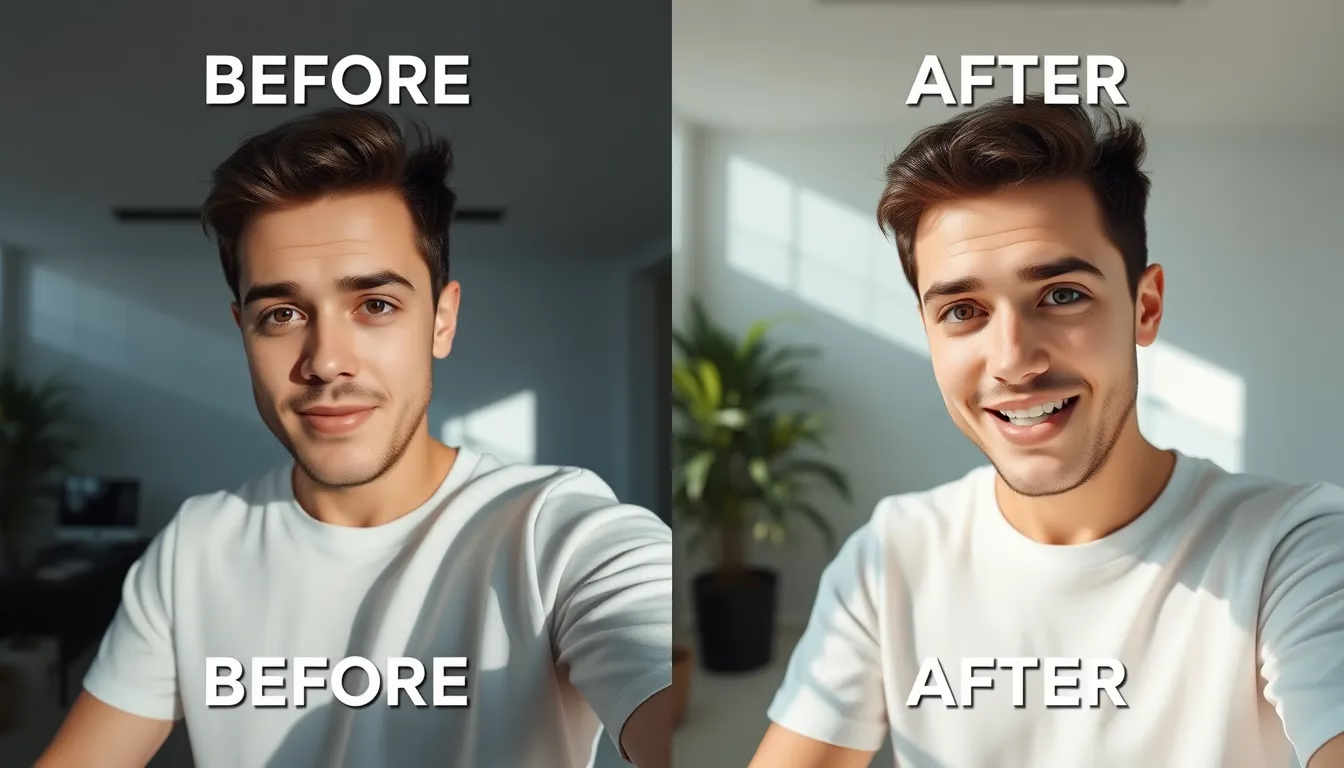
Natural light from a window (facing you, not behind you) instantly improves how you look on camera. For filming at night or in dim spaces, a simple ring light makes a significant difference.
Thumbnails and Titles Matter
Your story might be incredible, but if nobody clicks, nobody watches. Create thumbnails that capture a dramatic moment or emotional expression from your story. Pair them with titles that spark curiosity without giving away the ending.
For creators building consistent visual content, creating compelling thumbnails can help your storytime content compete in crowded feeds. Understanding how to create scroll-stopping visuals applies just as much to video content as to static posts.
Putting It All Together
Great storytime videos combine ancient storytelling instincts with modern attention dynamics. The core principles haven't changed since humans gathered around fires to share experiences: create curiosity, build tension, deliver payoff, and make people feel something.
What's different now is the competition for attention and the tools available to enhance your delivery.
Start with your hook. Map your beats before recording. Vary your pacing and visuals. Edit ruthlessly. End memorably.
Most importantly, choose stories you genuinely want to tell. Authentic enthusiasm is impossible to fake, and audiences can sense when a creator is truly invested in their own narrative.
Your next storytime video could be the one that finally holds viewers until the very last second. The story you've been meaning to share? It might be time to tell it – the right way.