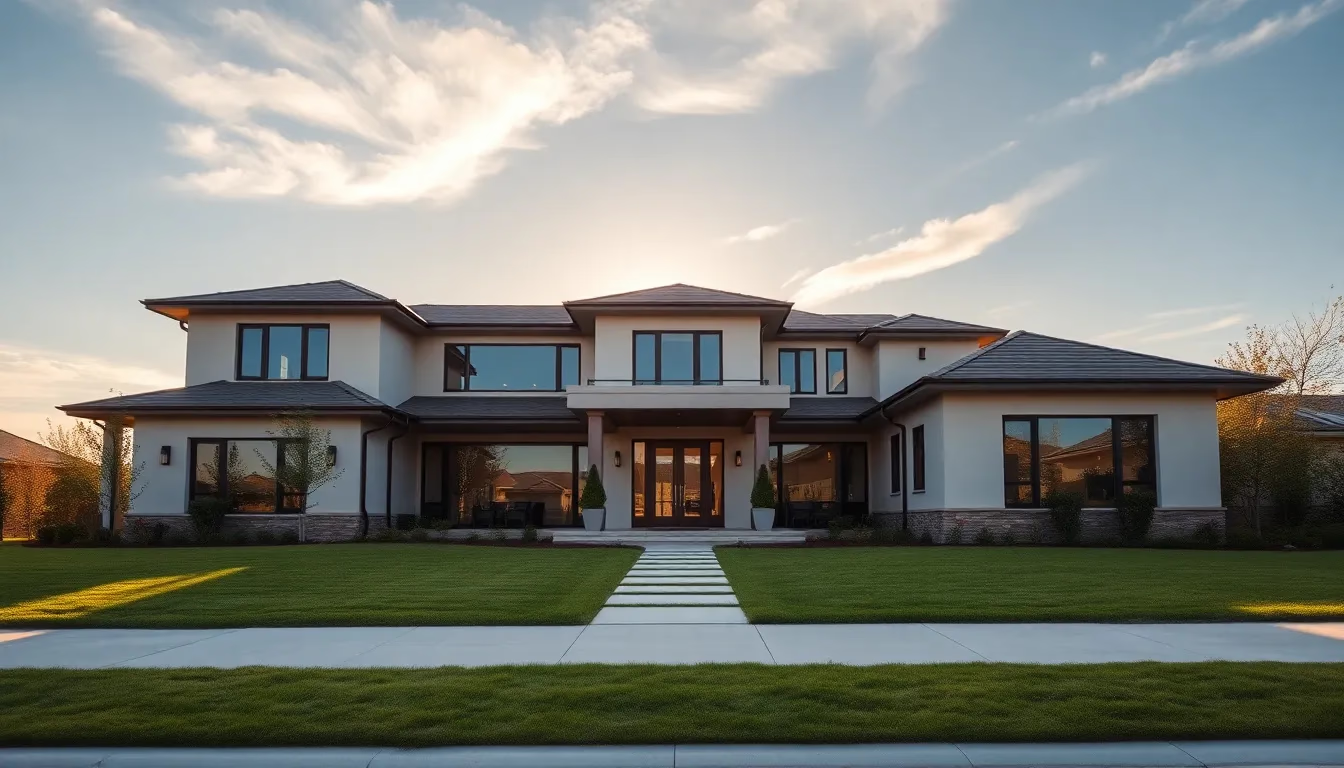

Real estate has always been a visual industry. Before buyers step through a front door, they've already formed opinions based on listing photos. Research consistently shows that properties with professional photography sell 32% faster and for higher prices than those with amateur images. Yet traditional professional real estate photography creates significant logistical and financial challenges for agents managing multiple listings.
AI real estate photography has fundamentally changed this landscape. Today, real estate professionals of any scale can produce stunning property imagery – without coordinating photographer schedules, waiting for perfect weather conditions, or investing in expensive camera equipment.
The Real Estate Photography Challenge
Every agent understands the pressure. Sellers expect magazine-quality images that showcase their property's best features. Buyers scroll through hundreds of listings, spending mere seconds deciding whether to investigate further. In this competitive environment, photography quality directly impacts time-on-market and final sale prices.
Consider the complexity of a single property photoshoot. Professional real estate photographers charge $150-500 per session depending on property size and market. Aerial drone photography adds another $100-300. Twilight shots for luxury properties command premium rates. Virtual staging for vacant properties introduces additional costs.
For an active agent managing 15-20 listings simultaneously, each requiring regular photo updates as seasons change or improvements complete, photography expenses compound rapidly. Many agents compromise with smartphone photos that fail to compete against professionally marketed listings.
The timing challenge proves equally frustrating. Coordinating photographer availability with optimal lighting conditions, seller schedules, and staging completion creates endless logistical headaches. Properties sit unlisted while waiting for that perfect sunny afternoon. Overcast weather forces rescheduling, delaying market entry.
How AI Transforms Real Estate Photography
Intelligent Image Enhancement
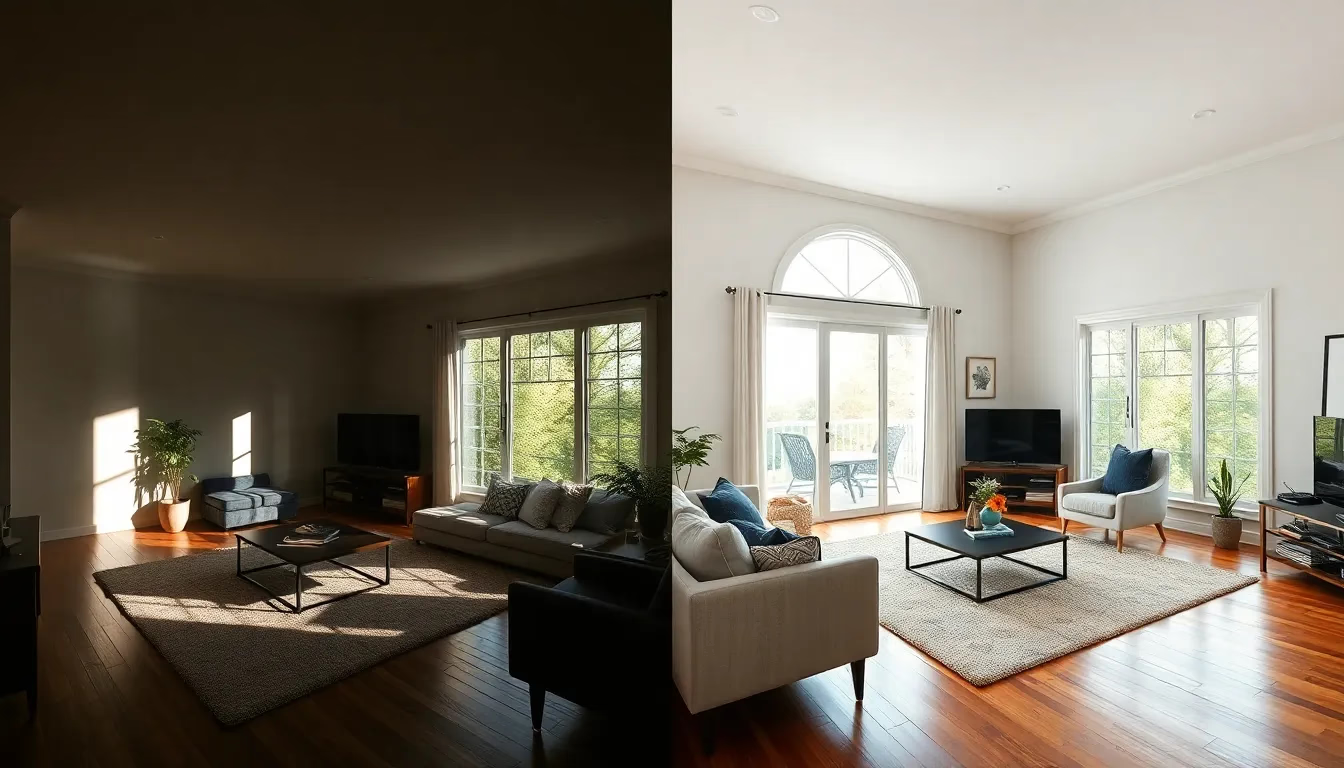
The most immediate application involves transforming ordinary property photos into professional-quality images. Advanced AI systems analyze photographs and automatically correct common issues that plague amateur real estate photography.
Lighting inconsistencies disappear as algorithms balance exposure across frames, brightening dark corners while preserving detail in sun-drenched windows. Color casts from mixed lighting sources neutralize automatically. Vertical lines straighten, eliminating the barrel distortion that makes rooms appear warped.
This capability means agents can capture properties with smartphones during any available window, then rely on AI processing to achieve professional results. No waiting for golden hour. No rescheduling around weather. Properties list faster, capturing buyer attention while interest peaks.
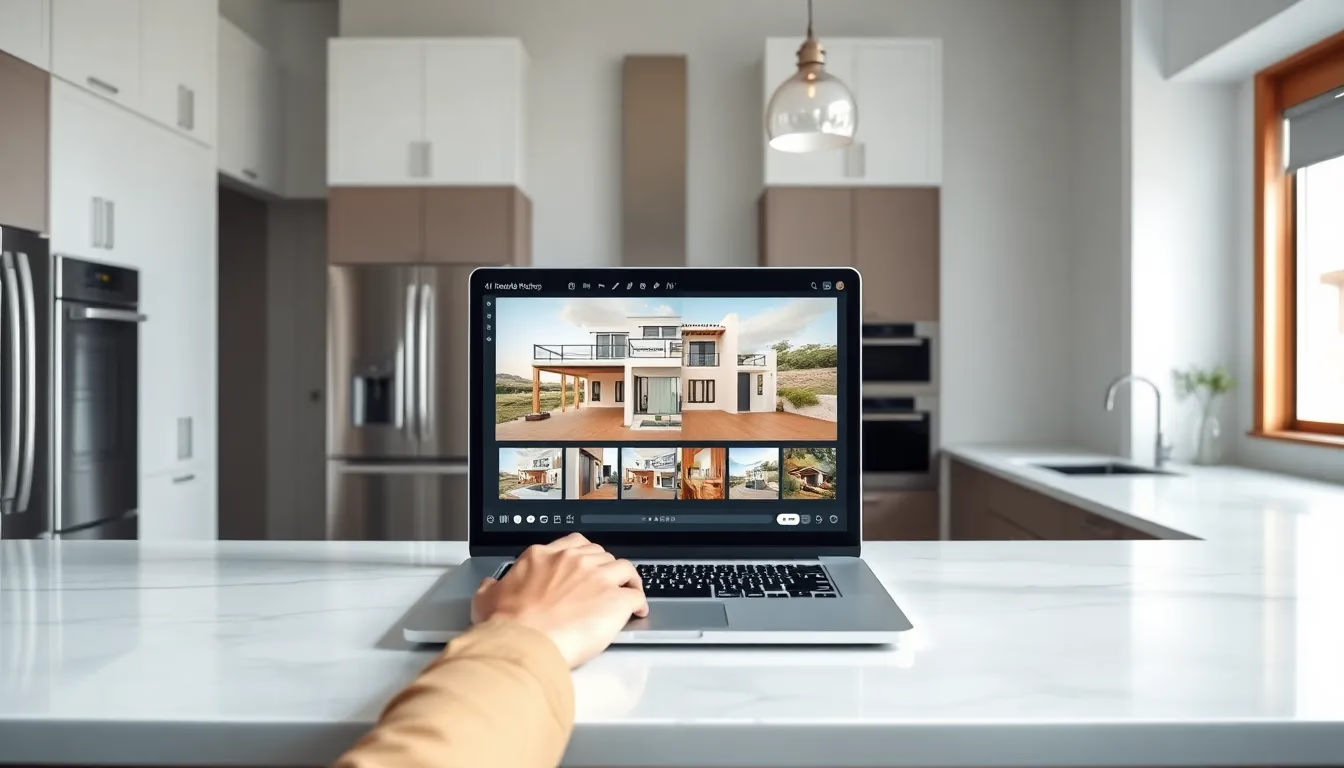
Photomize AI specializes in these intelligent enhancements, ensuring properties present their absolute best regardless of original capture conditions.
Virtual Staging Revolution
Empty properties present a universal challenge. Buyers struggle to envision living spaces without furniture for scale and context. Traditional staging costs $2,000-5,000 per property, with rental furniture requiring coordination and eventual removal.
AI virtual staging eliminates these barriers entirely. Vacant rooms transform into beautifully furnished spaces through sophisticated image synthesis. Modern furniture, tasteful décor, and lifestyle accessories populate empty frames, helping buyers immediately understand space potential.
The flexibility proves remarkable. The same empty living room can be virtually staged in contemporary, traditional, or minimalist styles depending on target demographics. Outdoor spaces gain patio furniture and landscaping enhancements. Dated interiors receive virtual renovations showing modernization possibilities.
Unlike physical staging requiring days of setup, AI staging delivers results in hours. Properties reach market faster while presenting more compelling imagery than competitors still coordinating furniture deliveries.
Sky Replacement and Weather Correction
Exterior photography depends heavily on uncontrollable factors. Overcast skies create flat, uninspiring images. Harsh midday sun produces unflattering shadows. Winter conditions make properties appear cold and unwelcoming.
AI sky replacement technology addresses these challenges elegantly. Gray, dreary skies transform into vibrant blue expanses with realistic cloud formations. Sunset tones add warmth to evening exterior shots. The technology maintains realistic lighting consistency, ensuring replaced skies match existing shadows and reflections.
This capability proves particularly valuable in regions with extended overcast seasons. Properties no longer wait weeks for clear weather. Agents capture exteriors whenever convenient, confident that AI processing will deliver sunny, appealing results.
Decluttering and Object Removal
Occupied properties often contain personal items, clutter, or temporary elements that distract from architectural features. Traditionally, sellers spent days preparing properties for photography, hiding personal belongings and achieving magazine-ready presentation.
AI object removal streamlines this process dramatically. Personal photos disappear from walls. Cluttered countertops clear automatically. Children's toys, pet accessories, and dated décor vanish without tedious physical preparation.
The technology extends beyond simple removal to intelligent replacement. Removed objects leave behind realistic surfaces rather than obvious blank spots. Hardwood floors continue naturally where furniture once stood. Wall textures maintain consistency where pictures hung.
For agents managing tight listing timelines, this capability proves invaluable. Properties photograph in their current state, with AI handling the detailed cleanup that previously required seller cooperation and schedule coordination.
Practical Implementation Strategies
Building an Efficient Workflow
Successful AI real estate photography requires systematic approaches rather than ad-hoc processing. Establish consistent capture protocols that maximize AI enhancement potential.
Shoot wide to capture complete rooms, allowing AI to straighten perspectives without cropping essential elements. Capture multiple exposures when lighting varies dramatically, providing algorithms with data for optimal HDR blending. Include detail shots of distinctive features that might get lost in wide-angle compositions.
Process images in batches using consistent enhancement profiles. This ensures visual coherence across listing galleries while minimizing individual adjustment time. Create templates for common property types – condos, single-family homes, luxury estates – with pre-configured enhancement settings.
Similar workflow optimization applies across other AI imaging applications. Our guide to AI product photography explores parallel strategies for e-commerce applications.
Balancing Enhancement and Authenticity
AI capabilities create temptation toward over-enhancement. Properties can appear impossibly bright, unrealistically vibrant, or misleadingly spacious through aggressive processing. This approach backfires during showings when reality disappoints.
Maintain authenticity as the guiding principle. Enhance existing features rather than fabricating fictional qualities. Brighten naturally dark rooms, but don't transform north-facing spaces into sun-drenched retreats. Virtually stage empty rooms appropriately, but avoid furniture that wouldn't physically fit the space.
Disclosure considerations vary by jurisdiction. Some markets require clear labeling of virtually staged images. Others expect sky replacement acknowledgment. Research local regulations and always prioritize transparency with potential buyers.
Integration with Marketing Channels
AI-enhanced property photos serve multiple marketing functions beyond MLS listings. Social media campaigns benefit from square-cropped versions optimized for Instagram feeds. Video content incorporates Ken Burns-style movements across high-resolution stills. Print materials demand different color profiles than digital displays.
Photomize AI streamlines these multi-channel requirements, generating format-specific versions from single source images. This efficiency proves particularly valuable for luxury properties requiring extensive marketing collateral.
For properties warranting video marketing, AI capabilities extend beyond still images. Our exploration of AI video generation for advertising demonstrates how property tours can leverage similar automation technologies.
Advanced Applications
Twilight and Dusk Photography
Twilight exterior shots command premium positioning in luxury markets. The warm glow of interior lights against deepening blue skies creates irresistible emotional appeal. Traditionally, capturing these images required photographers on-site during the narrow 20-minute window when lighting balanced perfectly.
AI day-to-dusk conversion eliminates this constraint entirely. Daytime exterior photographs transform into convincing twilight scenes through sophisticated processing. Interior lights illuminate naturally. Skies deepen to rich blue-purple gradients. Landscape lighting activates automatically.
The results prove virtually indistinguishable from authentic twilight photography. Properties gain premium positioning without premium scheduling complexity. Even modestly priced listings can leverage imagery previously reserved for luxury marketing budgets.
Seasonal Flexibility
Properties photographed during winter struggle to convey summer appeal. Bare trees, brown lawns, and gray skies create uninviting first impressions regardless of home quality. Waiting months for seasonal change delays listings unacceptably.
AI seasonal transformation addresses this challenge. Winter landscapes gain summer foliage. Brown grass greens convincingly. Snow-covered exteriors reveal their warm-weather potential. The technology maintains architectural accuracy while swapping environmental contexts.
This capability proves equally valuable for properties listing during construction or renovation phases. AI can visualize completed landscaping, finished hardscaping, or future development potential based on architectural plans.
Virtual Renovation Visualization
Properties requiring updates often struggle to attract buyer imagination. Dated kitchens, worn carpeting, and tired fixtures create negative impressions that discount offers below renovation-adjusted values.
AI virtual renovation shows transformation possibilities. Outdated kitchens receive modern cabinetry, contemporary countertops, and updated appliances through intelligent image synthesis. Worn flooring transforms to hardwood or luxury vinyl. Popcorn ceilings smooth to contemporary finishes.
These visualizations help buyers understand value potential beyond current conditions. Sellers benefit from offers reflecting post-renovation value rather than as-is deductions. The technology serves as a powerful negotiation tool demonstrating realistic improvement possibilities.
Quality Considerations
Not all AI real estate photography tools deliver professional results. Inferior processing introduces artifacts, unrealistic lighting, or obvious manipulation that undermines listing credibility. Evaluate solutions carefully before committing to workflow integration.
Examine sky replacement transitions carefully. Poor implementations create obvious horizon lines where original skies meet replacements. Quality solutions blend seamlessly, maintaining realistic atmospheric perspective and color gradients.
Virtual staging quality varies dramatically between providers. Furniture should cast appropriate shadows, reflect ambient lighting realistically, and scale correctly within spaces. Perspective alignment must match original photography angles precisely.
Test solutions with challenging source material. Severely underexposed images, mixed lighting conditions, and complex architectural elements reveal processing limitations that promotional samples might obscure. Understanding these tools' capabilities involves similar evaluation approaches to assessing AI image enhancement technologies.
The Competitive Advantage
Agents embracing AI real estate photography gain measurable advantages over traditional approaches. Properties list faster, capturing market timing that manual workflows miss. Visual quality matches or exceeds expensive professional photography at fraction of the cost. Consistency across listings builds recognizable brand standards.
The mathematics prove compelling. An agent saving $300 per listing on photography while reducing time-to-market by three days gains compound advantages across annual transaction volume. Those savings fund additional marketing, client services, or simply improved profitability.
More importantly, sellers benefit from superior representation. Their properties compete effectively against any listing regardless of marketing budget disparities. In markets where visual presentation determines showing frequency, this advantage translates directly to faster sales and stronger offers.
AI real estate photography isn't replacing professional expertise – it's democratizing access to professional-quality results. Agents who embrace these tools position themselves for success in an increasingly visual, increasingly competitive marketplace.