
The Problem with Buying Glasses You Can't Actually Try
Ordering glasses online sounds convenient until you realize you're essentially guessing. That sleek titanium frame that looked incredible on the model? It might sit completely differently on your face. The bold acetate style you've been eyeing for months? Could overwhelm your features or clash with your skin tone in ways you'd never predict from a product photo.
The traditional solution—visiting an optical store—works, but it comes with its own frustrations. Limited selection, sales pressure, and the uncomfortable reality that the frames you love in-store often cost significantly more than their online equivalents. Plus, there's something awkward about trying on dozens of pairs while a salesperson hovers nearby.
This is exactly where AI virtual try-on technology changes the equation. Instead of imagining how frames might look, you can actually see them on your face before spending a penny. And the technology has improved dramatically in recent years—we're well past the days of awkward, obviously fake overlays.
How AI Virtual Try-On Actually Works
If you've ever wondered how AI image generators actually work, virtual try-on uses related but distinct technology. The process typically involves several sophisticated steps happening in milliseconds.
First, the system maps your facial features—identifying the position and angle of your eyes, the width of your nose bridge, the distance between your temples, and the overall shape of your face. This creates a kind of invisible framework that tells the software exactly where glasses would naturally sit.
Then, using that map, the AI renders the selected frames onto your image in a way that accounts for perspective, lighting, and proportion. Better systems adjust for shadows and even simulate how different lens types might look.
The result, when done well, is a preview realistic enough to make confident purchasing decisions.
What Makes Some Virtual Try-Ons Better Than Others
Not all virtual try-on experiences are created equal. The best ones share a few characteristics worth looking for:
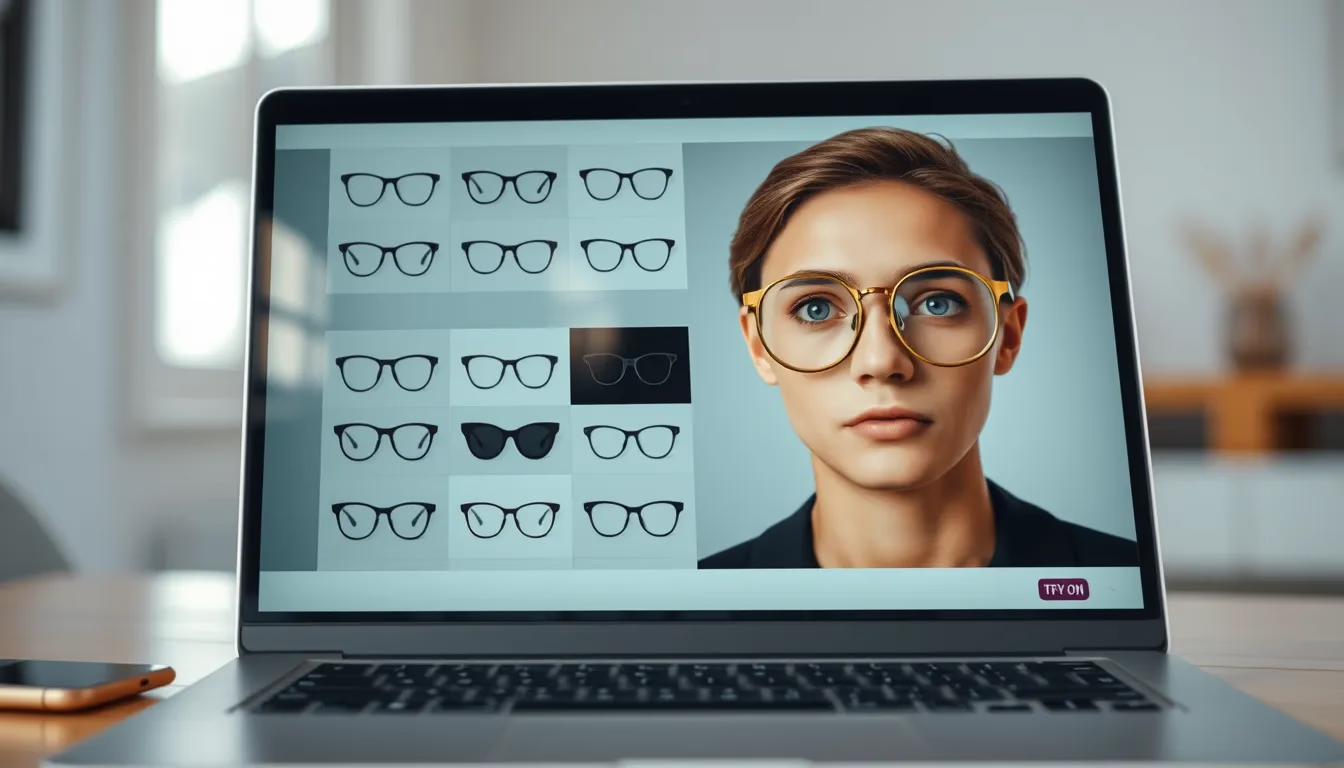
Accurate facial mapping. Cheap implementations just slap a flat image of glasses onto your photo. Quality systems understand the three-dimensional shape of your face and adjust accordingly. This matters most when you turn your head slightly or when the frames have distinctive shapes.
Realistic scaling. Glasses that appear too large or small create a carnival mirror effect that makes the whole preview useless. Good virtual try-on tools calculate scale based on actual frame measurements and your facial proportions.
Natural lighting integration. The frames should look like they belong in your photo, not like a sticker placed on top. This means matching the lighting direction and intensity of your original image.
Multiple angle support. The ability to see frames from different angles—not just straight on—helps you understand how they'll look in real-world situations.
Getting the Best Results from Virtual Try-On
The technology does heavy lifting, but your input matters too. The photo you use significantly affects how useful the preview will be.
Lighting Makes Everything
Take your try-on photo in even, natural light. Harsh overhead lighting creates shadows under your brow that obscure how frames sit on your face. Direct sunlight causes squinting and unflattering contrasts. The ideal scenario is facing a window on an overcast day or sitting in a well-lit room with diffused lighting.
Face the Camera Directly
While some advanced systems handle angled shots, you'll get the most accurate preview looking straight at the camera. Keep your expression neutral and relaxed—a forced smile changes your face shape enough to throw off the preview.
Pull Hair Back
If your hair typically covers parts of your forehead or temples, secure it back for the try-on photo. You need clear visibility of the areas where frames will actually sit. You can always visualize the complete look mentally once you've seen how the frames fit your face structure.
Remove Existing Glasses
This seems obvious, but it's worth mentioning. The AI needs to see your actual face without obstruction. Even clear lenses create reflections and slight distortions that interfere with accurate mapping.
Understanding Face Shapes and Frame Recommendations
AI try-on tools show you how frames look, but they don't always tell you why certain styles work better than others. Understanding basic face shape principles helps you narrow down options before you start trying virtually.
Round Faces
If your face is roughly as wide as it is long with soft angles, angular frames add definition. Look for rectangular or square shapes that create contrast with your natural curves. Avoid perfectly round frames that echo your face shape without adding visual interest.
Square Faces
Strong jawlines and broad foreheads benefit from frames that soften angles. Round or oval shapes work well, as do frames with curved edges. Thin metal frames sometimes work better than bold acetate styles that compete with your natural structure.
Oval Faces
This is considered the most versatile face shape for glasses—most styles work reasonably well. Use virtual try-on to experiment freely, since you have fewer restrictions. Pay more attention to proportion (frames shouldn't be wider than the widest part of your face) than to specific shapes.
Heart-Shaped Faces
Wider foreheads tapering to narrower chins look balanced with frames that are wider at the bottom or have low-set temples. Avoid heavy, decorative elements at the top of frames that draw attention upward and emphasize forehead width.
Comparing Multiple Frames Side by Side
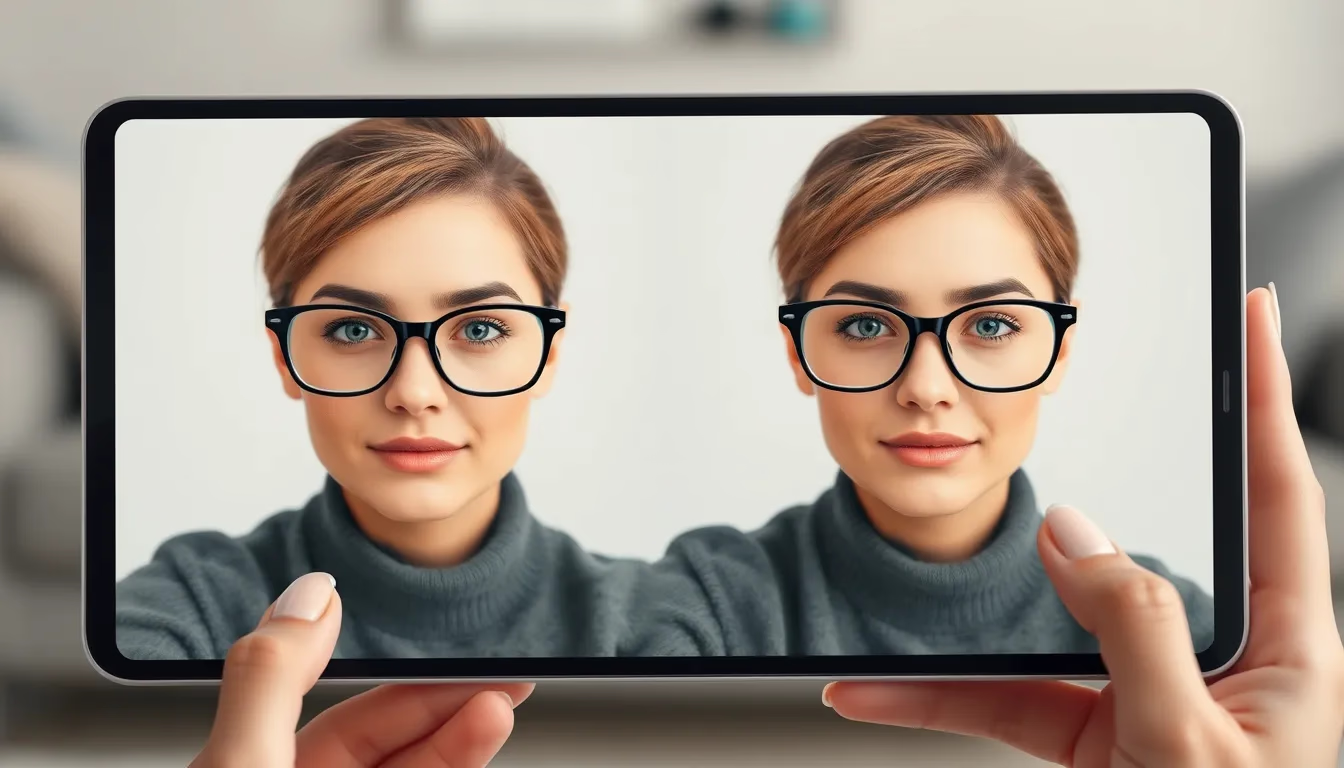
One of the most valuable aspects of AI try-on is the ability to compare options without the pressure and time constraints of an in-store visit. But there's a strategy to doing this effectively.
Create a Shortlist First
Don't try on 50 frames hoping to find "the one." Browse selections first and save frames that catch your eye based on style, color, and material. Then use virtual try-on on a curated list of 10-15 genuine contenders. This prevents decision fatigue and keeps your eyes fresh for meaningful comparisons.
Try Similar Styles
Once you identify a shape that works, try variations. If rectangular black frames look good, test rectangular frames in tortoiseshell, navy, and transparent finishes. Small differences become obvious when you compare directly.
Consider Your Wardrobe
That bold red frame might look amazing in isolation, but will it work with your actual daily outfits? Think about what you typically wear before falling in love with a statement piece that only matches one shirt in your closet.
Beyond Basic Try-On: AI Photo Tools for Glasses Shopping
Virtual try-on is just one application of AI image technology that helps with online shopping decisions. If you're exploring how artificial intelligence can assist with visual tasks, platforms like Photomize AI offer various tools that complement the shopping process.
For example, you might want to see how frames look against different backgrounds or in various lighting conditions. An AI photo editor can help you create multiple test scenarios from a single photo.
Some people also find it useful to remove distracting elements from their try-on photos. Similar to removing strangers from travel photos, you can clean up backgrounds in your try-on images to focus purely on how the frames look on your face.
Common Virtual Try-On Mistakes to Avoid
Even with great technology, certain habits lead to poor purchasing decisions.
Relying Only on Front-View Previews
Glasses exist in three dimensions. Frames that look perfect from the front might have temple arms that stick out awkwardly or sit too close to your cheeks in profile. If the try-on tool offers multiple angles, use them. If it doesn't, consider that a limitation in your decision-making data.
Ignoring Frame Measurements
Virtual try-on gives you visual information, but numbers matter too. Check the frame width, lens height, and temple length against glasses you currently own or have worn comfortably. A frame might look proportionally correct in a preview but actually be sized wrong for your head.
Forgetting About Lens Thickness
Strong prescriptions mean thicker lenses, which affect how frames look in real life. Virtual try-on typically shows frames with minimal demo lenses. If you have a significant prescription, factor in that the finished product will look slightly different.
Shopping When You're Tired
This applies to any kind of shopping, but visual fatigue especially affects eyewear decisions. Everything starts looking the same after too many comparisons. Spread your virtual try-on sessions across multiple days for fresher perspective.
When Virtual Try-On Isn't Enough
AI try-on tools are remarkably helpful, but they don't replace every aspect of in-person shopping. There are situations where you might still want to visit a physical store.
First-time glasses wearers benefit from professional fitting and advice about lens options that virtual tools can't provide. Even if you ultimately order online, an initial optician visit gives you baseline knowledge.
Significant prescription changes sometimes affect which frame styles work best. If your lens requirements have changed substantially, in-person guidance about frame depth and shape compatibility becomes more valuable.
High-investment purchases might warrant the extra confirmation of trying frames physically. If you're spending several hundred on designer frames you'll wear daily for years, the peace of mind from hands-on testing could be worth the trip.
Making Your Final Decision
After virtual try-ons and research, you'll likely have two or three strong contenders. For the final choice, consider a few additional factors.
Check return policies carefully. Even with excellent virtual previews, ordering glasses online involves some uncertainty. Make sure you can return or exchange if the frames don't work in reality.
Read reviews about fit, not just style. Other customers often mention whether frames run large or small, whether they're comfortable for extended wear, and whether the colors match online images.
Trust your gut, but verify. If you love how frames look in virtual try-on, that's meaningful data. But pair that emotional response with practical considerations about durability, warranty, and value.
The combination of AI virtual try-on and smart research strategies means you can confidently order glasses online without gambling on how they'll look when they arrive. It's one of those cases where technology genuinely solves a real problem—turning the uncertainty of online eyewear shopping into a process you can actually trust.